ABERDARES NATIONAL PARK
Aberdares National Park, located in Kenya, is a fascinating and unique wildlife destination. Here’s some content about this incredible park:
Introduction to Aberdares National Park
Aberdares National Park is a protected area located in the central part of Kenya, approximately 150 kilometers north of Nairobi. The park is situated in a scenic area, surrounded by mountains and forests, and is known for its stunning natural beauty, diverse wildlife, and unique geological features. The park covers an area of approximately 767 square kilometers and is home to a wide variety of wildlife, including elephants, lions, leopards, and rhinoceros.
Wildlife in Aberdares National Park
Aberdares National Park is home to an incredible array of wildlife, including:
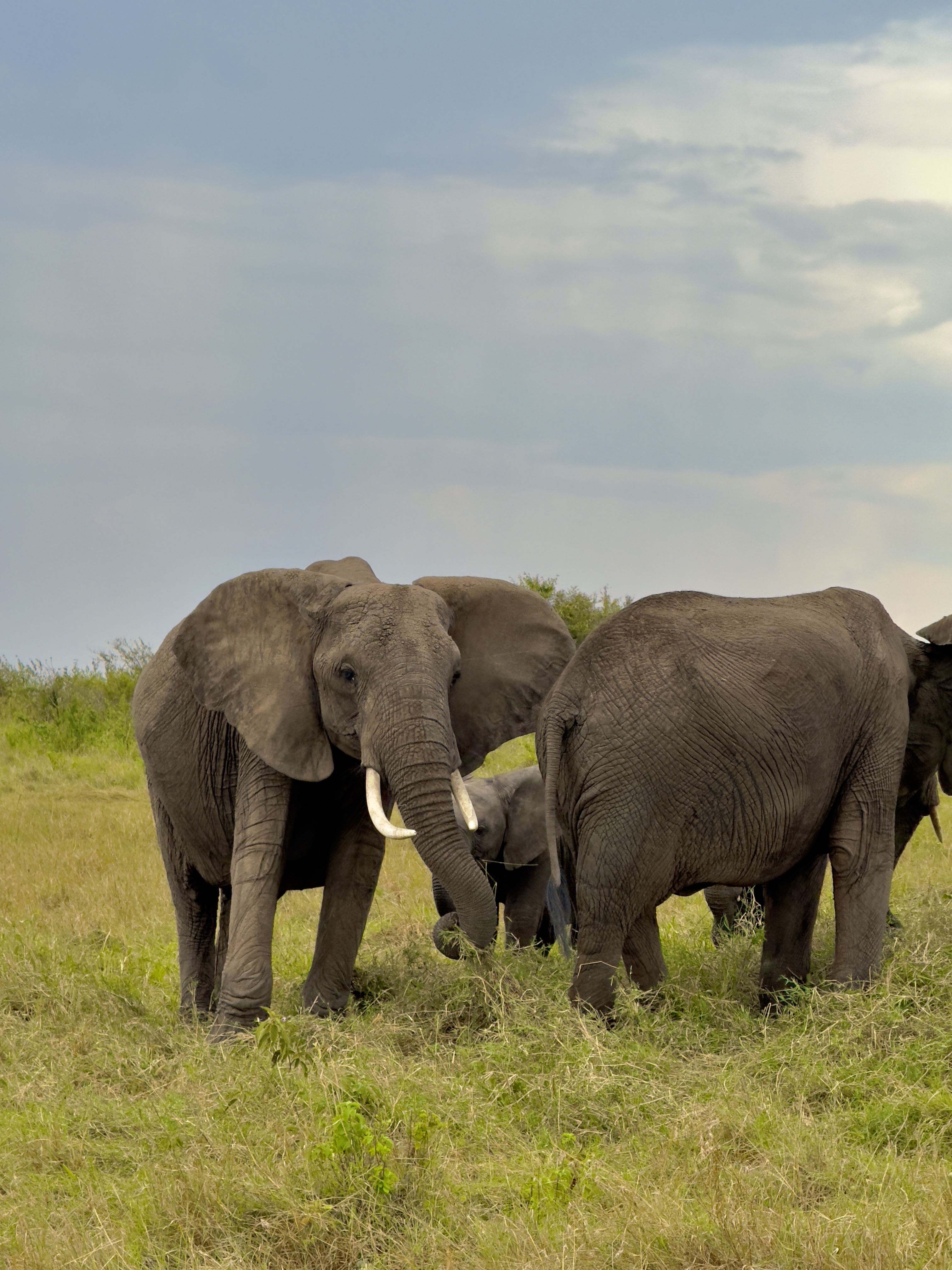
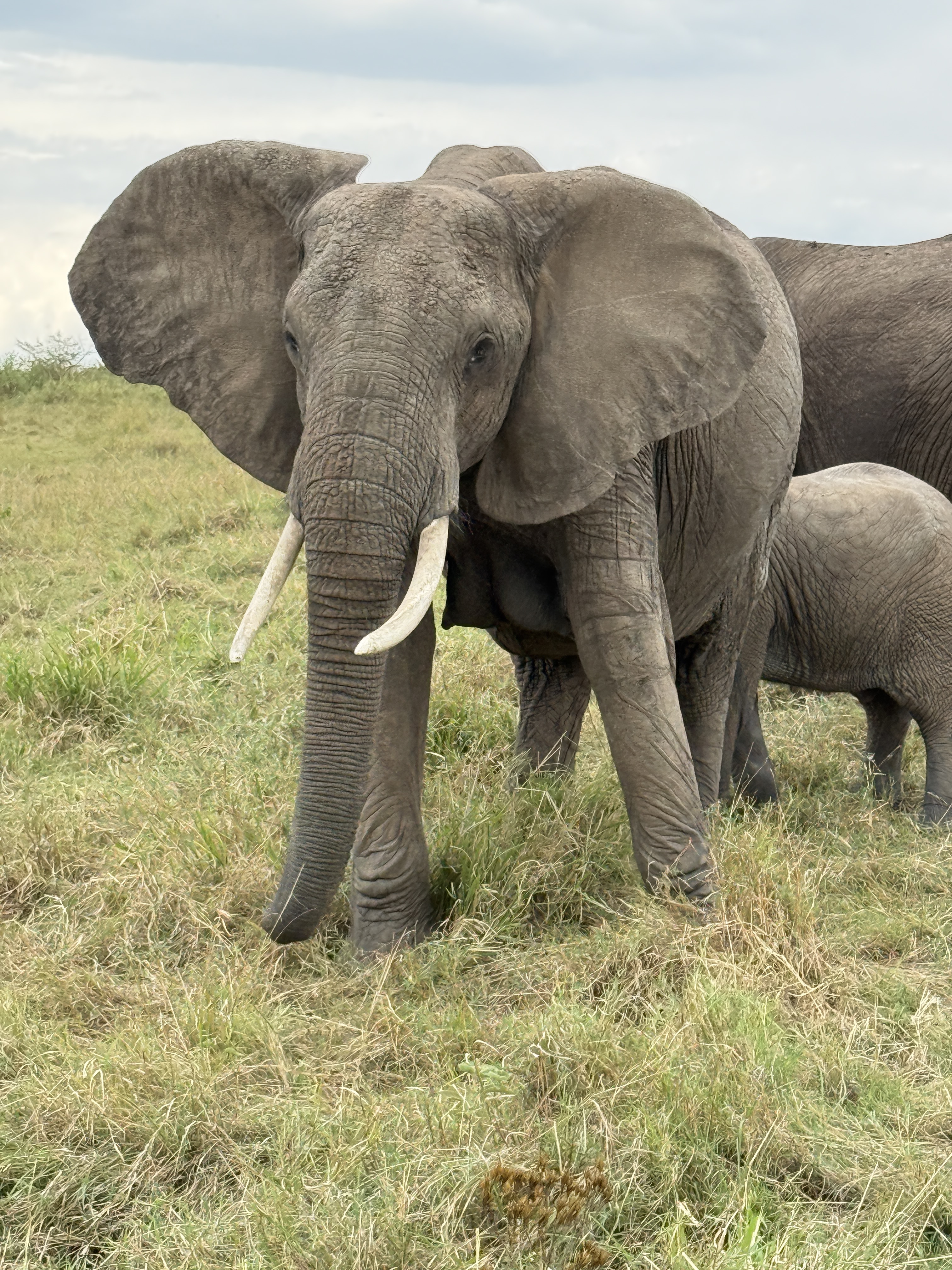
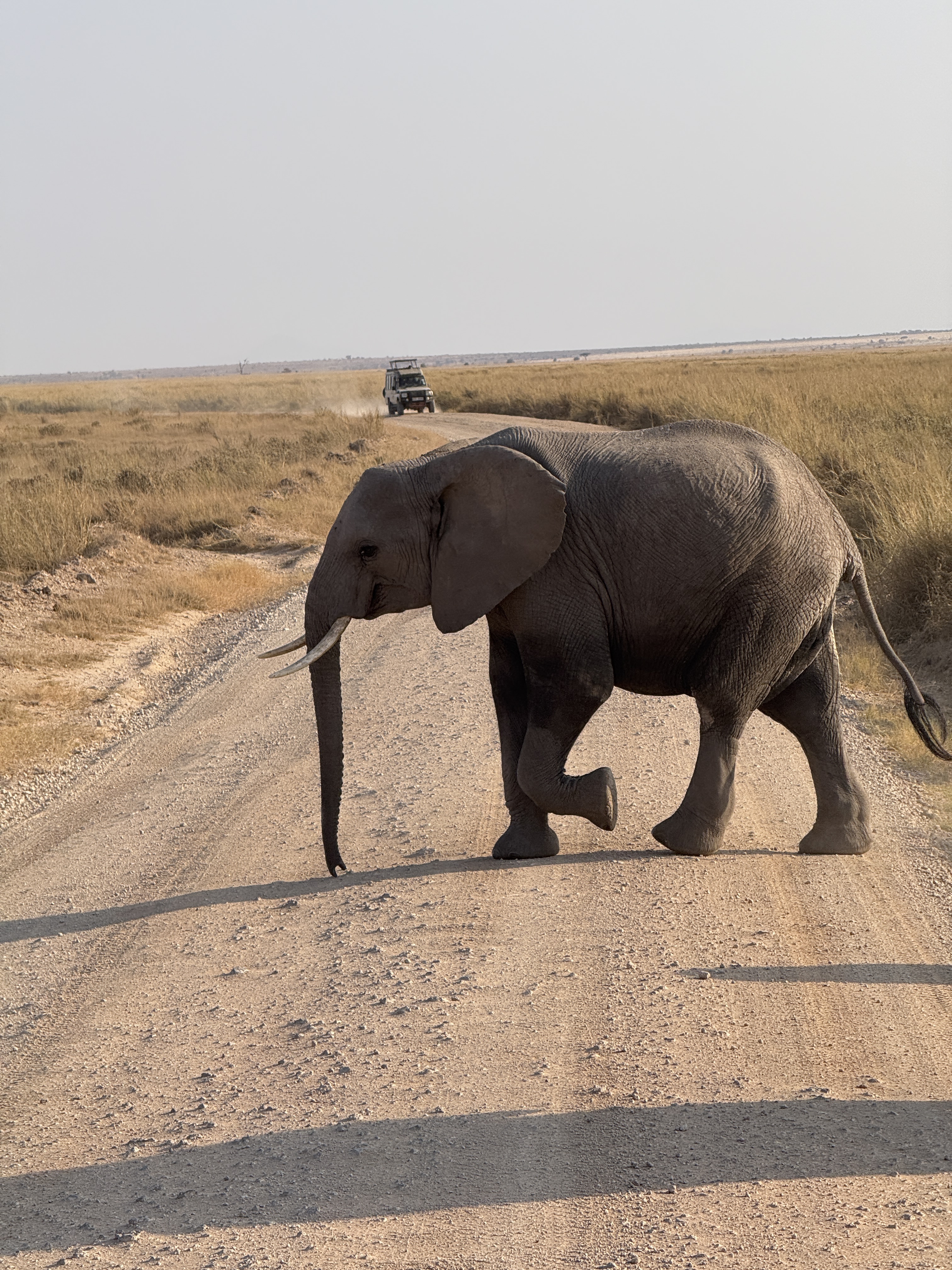
• Elephants: the park is home to a large population of African elephants, which can be seen roaming the park’s forests and grasslands
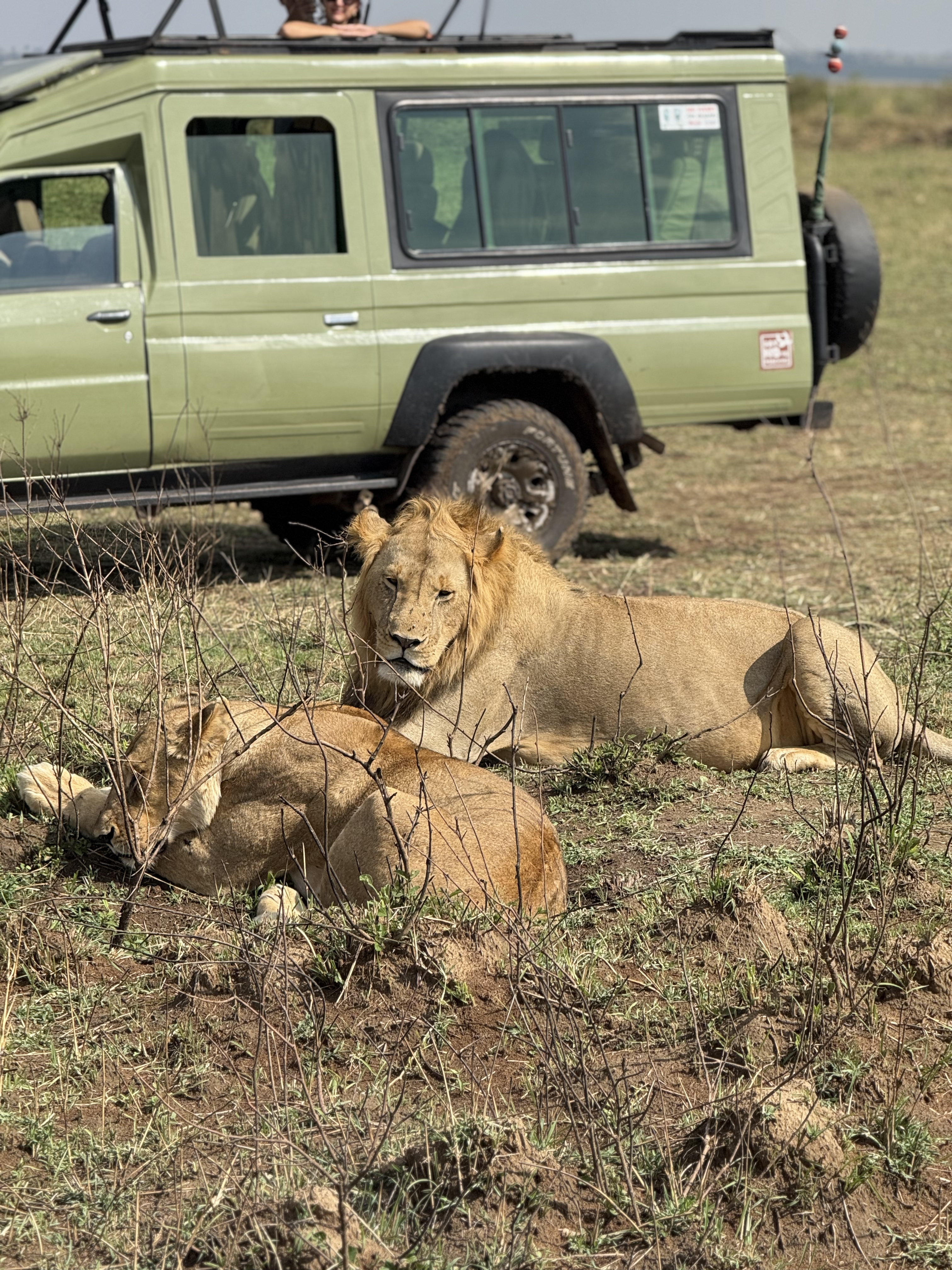
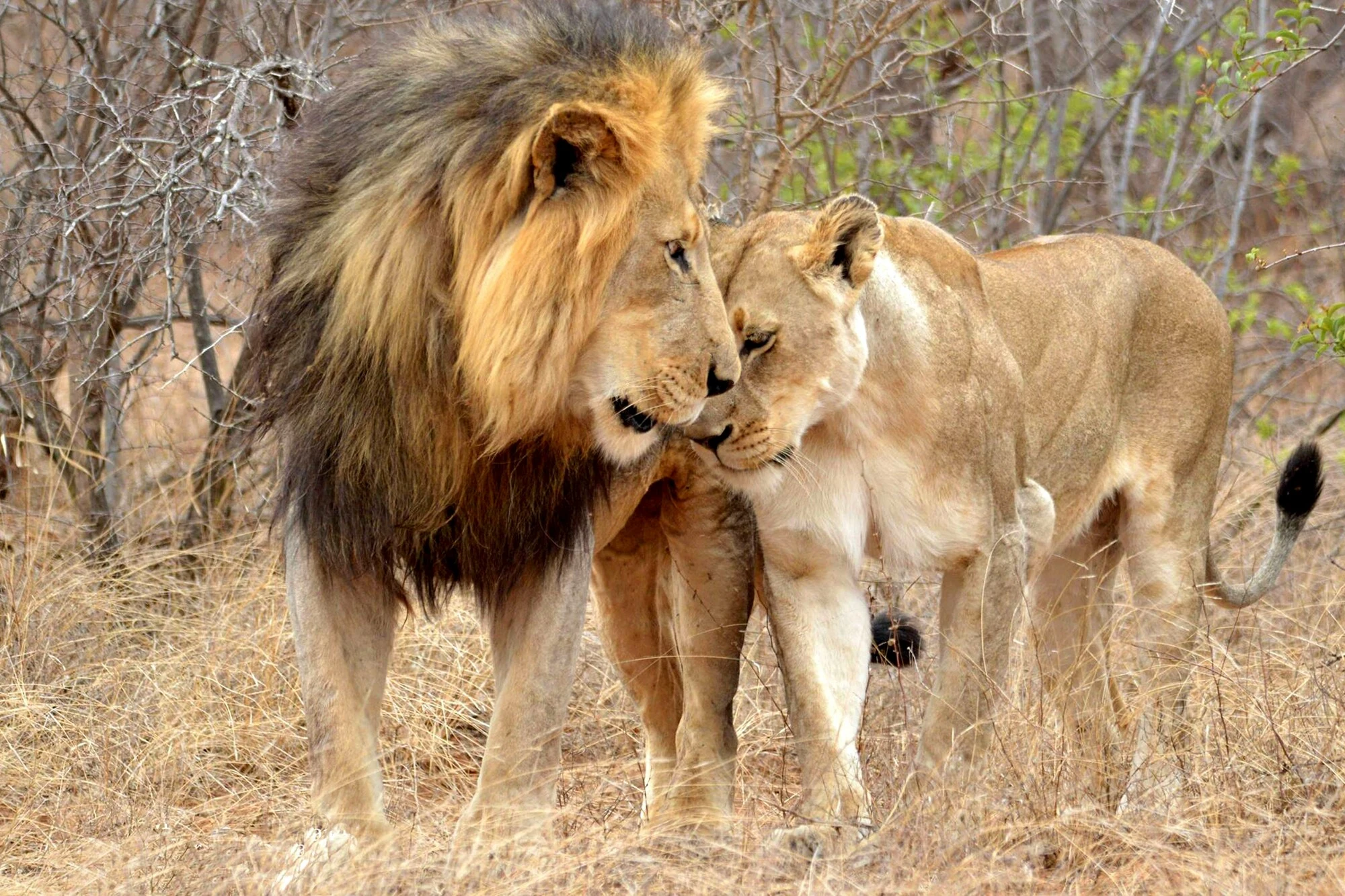
• Lions: the park is home to a pride of lions, which can be seen lazing in the sun or stalking their prey
• Leopards: the park is home to a number of leopards, which can be seen climbing trees or stalking their prey
• Rhinoceros: the park is home to a number of black rhinoceros, which can be seen grazing on the park’s grasslands
• Cape buffalo: the park is home to a large population of Cape buffalo, which can be seen grazing on the park’s grasslands
• Hyenas: the park is home to a number of spotted hyenas, which can be seen roaming the park’s forests and grasslands
Unique Features
Aberdares National Park is home to a number of unique features, including:
Unique Wildlife
• The Aberdares Mountain Range: the park is home to a range of mountains, including the Aberdares Mountain Range, which offers stunning views and hiking opportunities
• The Tree Top Walk: the park is home to a unique tree top walk, which offers stunning views of the surrounding forest and wildlife
• The Karuru Falls: the park is home to a number of waterfalls, including the Karuru Falls, which is one of the highest waterfalls in Kenya
Ecosystems
Aberdares National Park is home to a number of different ecosystems, including:
• Montane forests: the park is home to a number of montane forests, which are found at high elevations and are characterized by a variety of tree species, including cedar and pine
• Bamboo forests: the park is home to a number of bamboo forests, which are found at high elevations and are characterized by a variety of bamboo species
• Grasslands: the park is home to a number of grasslands, which are found at lower elevations and are characterized by a variety of grass species
Conservation Efforts
Aberdares National Park is a protected area, and conservation efforts are in place to preserve the park’s wildlife and habitats. The Kenya Wildlife Service (KWS) is responsible for managing the park and ensuring the conservation of the area. The KWS works with local communities to promote sustainable tourism and provide economic benefits to the local people.
Aberdares Packages
Products
Activities in Aberdares National Park
Aberdares National Park offers a variety of activities, including:
guided drives to see the park’s wildlife, including elephants, lions, and leopards
guided walks to see the park’s wildlife up close and to learn about the park’s habitats and ecosystems
guided tours to spot the park’s over 200 species of birds
camping trips in the park, which offer a chance to experience the park’s natural beauty and wildlife
guided hikes to explore the park’s mountains and forests
Interesting Facts about Aberdares National Park
• Aberdares National Park is a UNESCO World Heritage Site, which means it is recognized as a natural and cultural heritage site of international importance.
• The park is home to over 200 species of birds, including many species of waterbirds and raptors.
• The park is also home to a variety of flora, including acacia trees, papyrus grasses, and succulents.
• Aberdares National Park is a popular spot for filmmakers, with several movies and TV shows having been filmed in the area.
The park is also a popular spot for scientists, with several research stations and conservation organizations having a presence in the area.
Gallery