Serengeti National Park: An Icon of African Wildlife
Serengeti National Park, located in northern Tanzania, is one of the world’s most celebrated wildlife reserves and a UNESCO World Heritage Site. Covering approximately 14,763 square kilometers (5,700 square miles), the park is renowned for its vast savannahs, rolling grasslands, and breathtaking landscapes, making it a premier safari destination and a crucial part of the larger Serengeti ecosystem, which includes neighboring conservation areas.
Founded in 1951, the park is notably famous for its annual Great Migration, where millions of wildebeest, zebras, and other herbivores travel in search of fresh grazing lands. The scenery and vastness of the Serengeti create not only a remarkable haven for wildlife but also an intriguing backdrop for adventure seekers, photographers, and nature enthusiasts.
The Great Migration
The Great Migration is often referred to as one of nature’s most spectacular events. Each year, millions of wildebeest and thousands of zebras migrate from the Serengeti to the Maasai Mara in Kenya, driven by their search for food and water. This incredible journey typically occurs in a circular route, stretching approximately 1,800 kilometers (1,100 miles).
The migration is characterized by dramatic moments, including river crossings through treacherous waters—most notably the Grumeti and Mara Rivers—where predators lie in wait. This event attracts not only tourists and photographers but also numerous wildlife documentaries, capturing the raw beauty and harsh realities of nature.
Wildlife and Biodiversity
The Serengeti is home to an astounding array of wildlife, composed of over 70 large mammal species and more than 500 bird species. Highlights include:
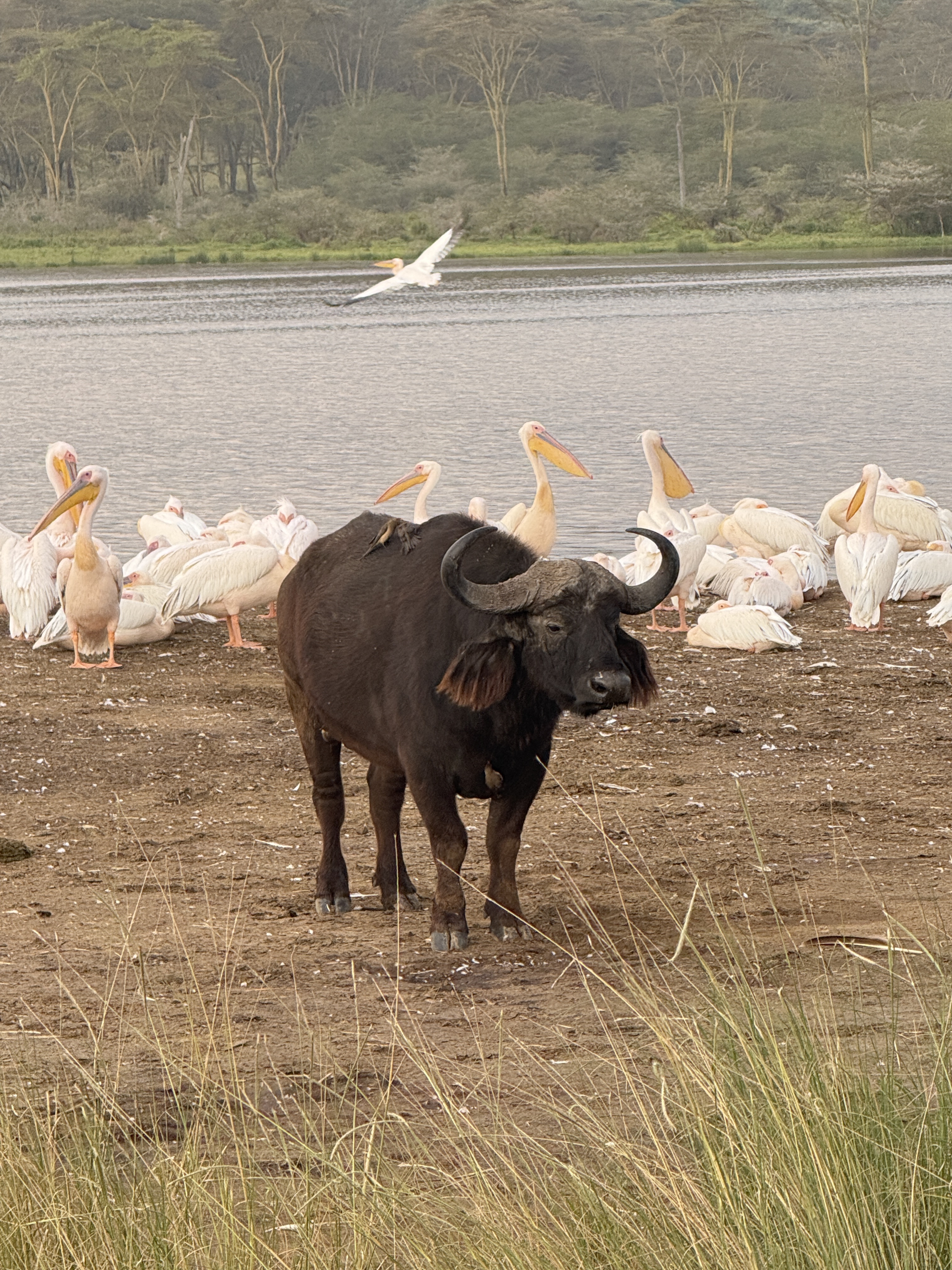
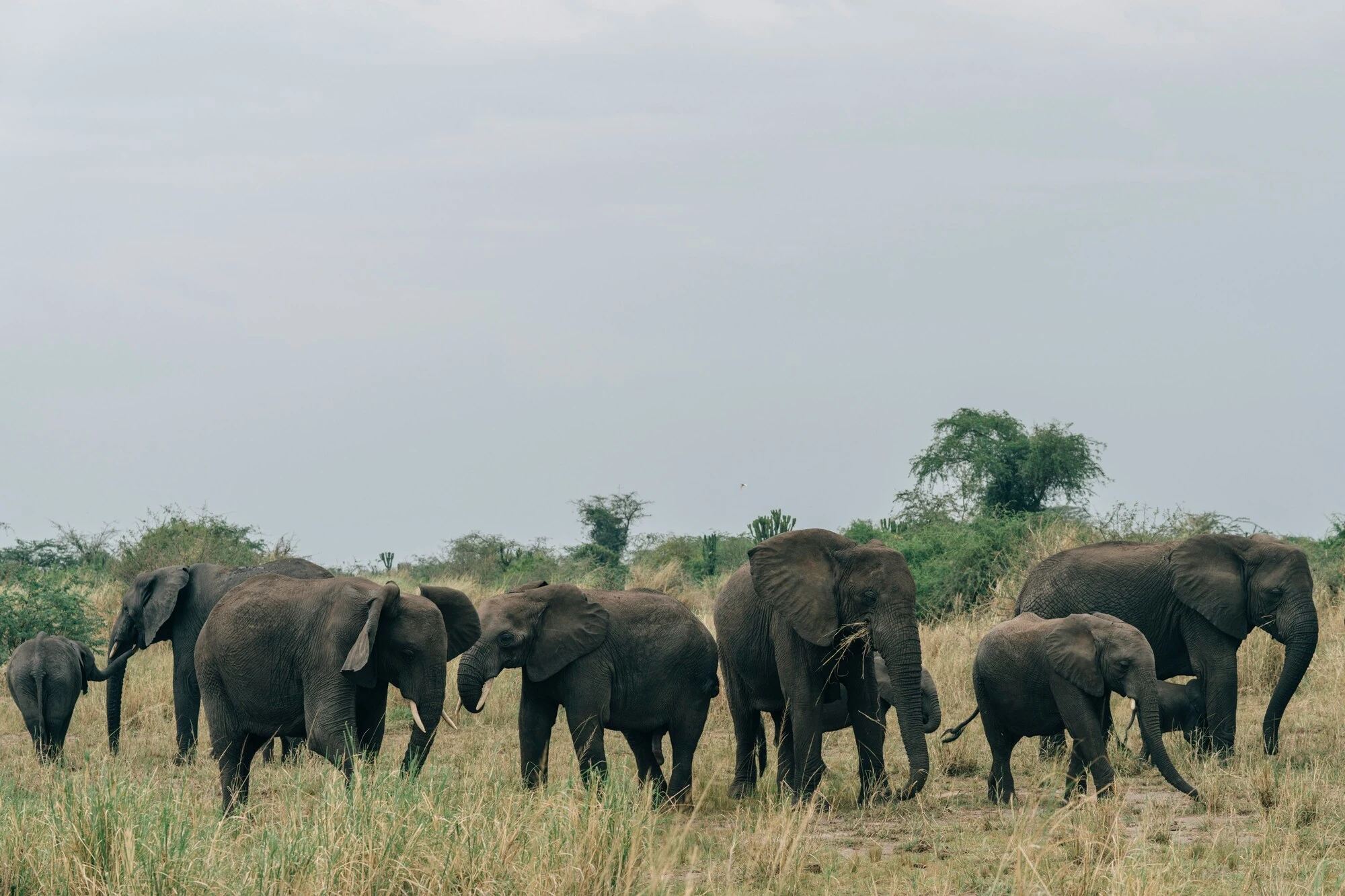
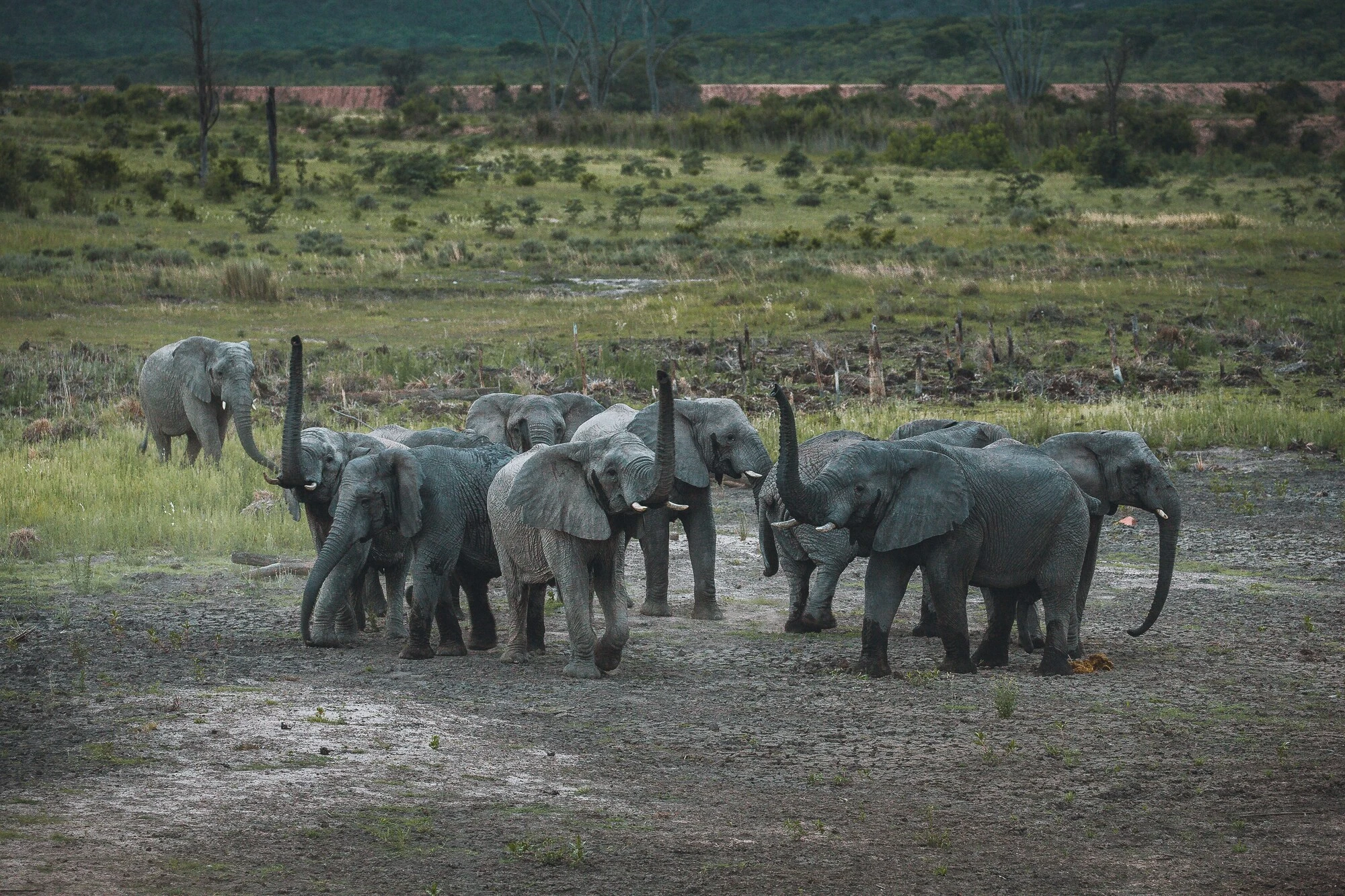
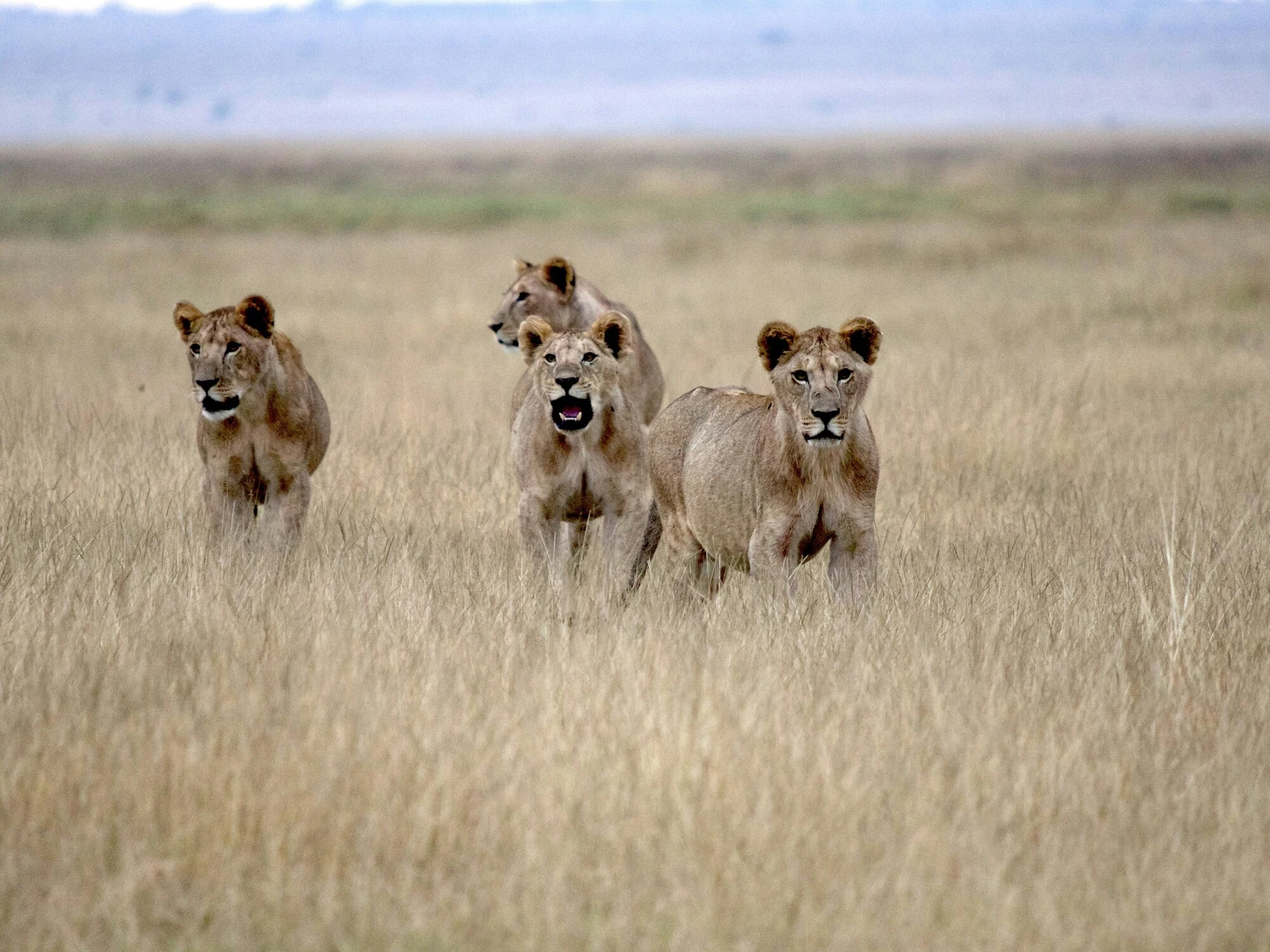
1. The Big Five: The park is synonymous with the “Big Five”—lions, elephants, buffalos, leopards, and rhinoceroses—each providing thrilling encounters for safari-goers.
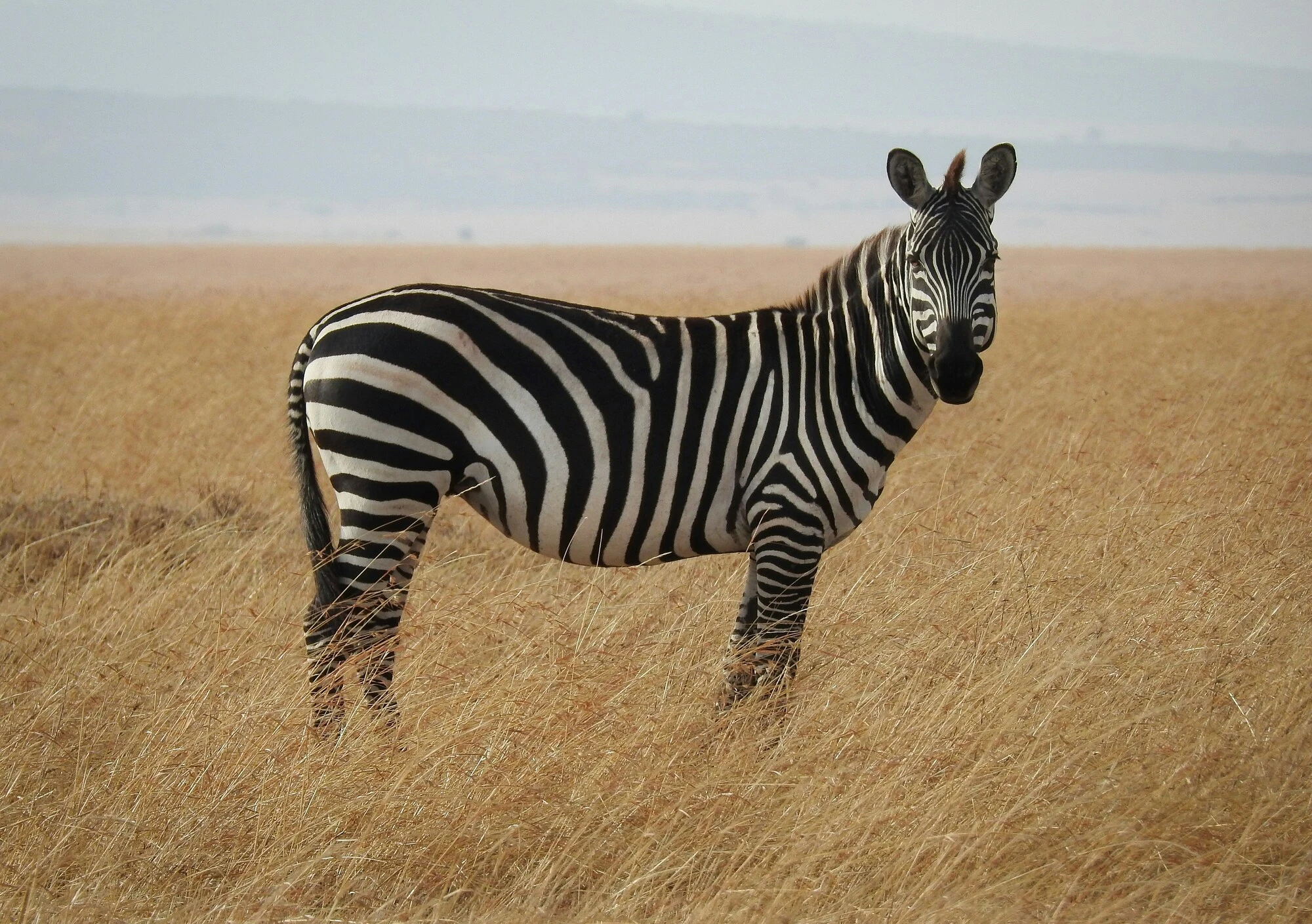
2. Wildebeest and Zebras: Aside from being the stars of the Great Migration, these herbivores play a vital role in the Serengeti ecosystem.
3. Predators: The park is home to a significant population of carnivores including lions, cheetahs, hyenas, and African wild dogs, making it a hotspot for predator-prey interactions.
4. Migration of Other Species: Beyond the Great Migration, other species such as gazelles, impalas, and topis also roam the wide-open grasslands.
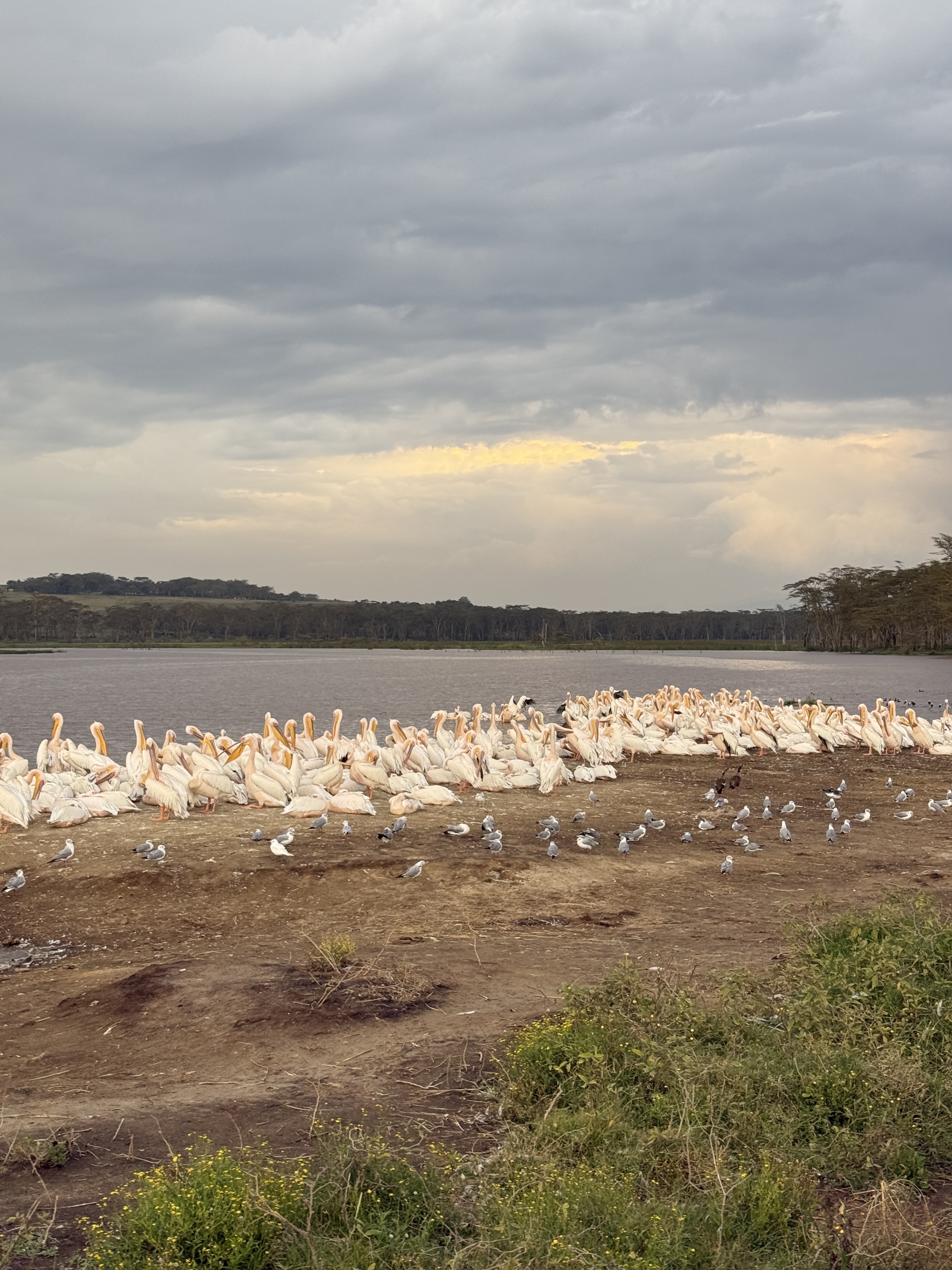
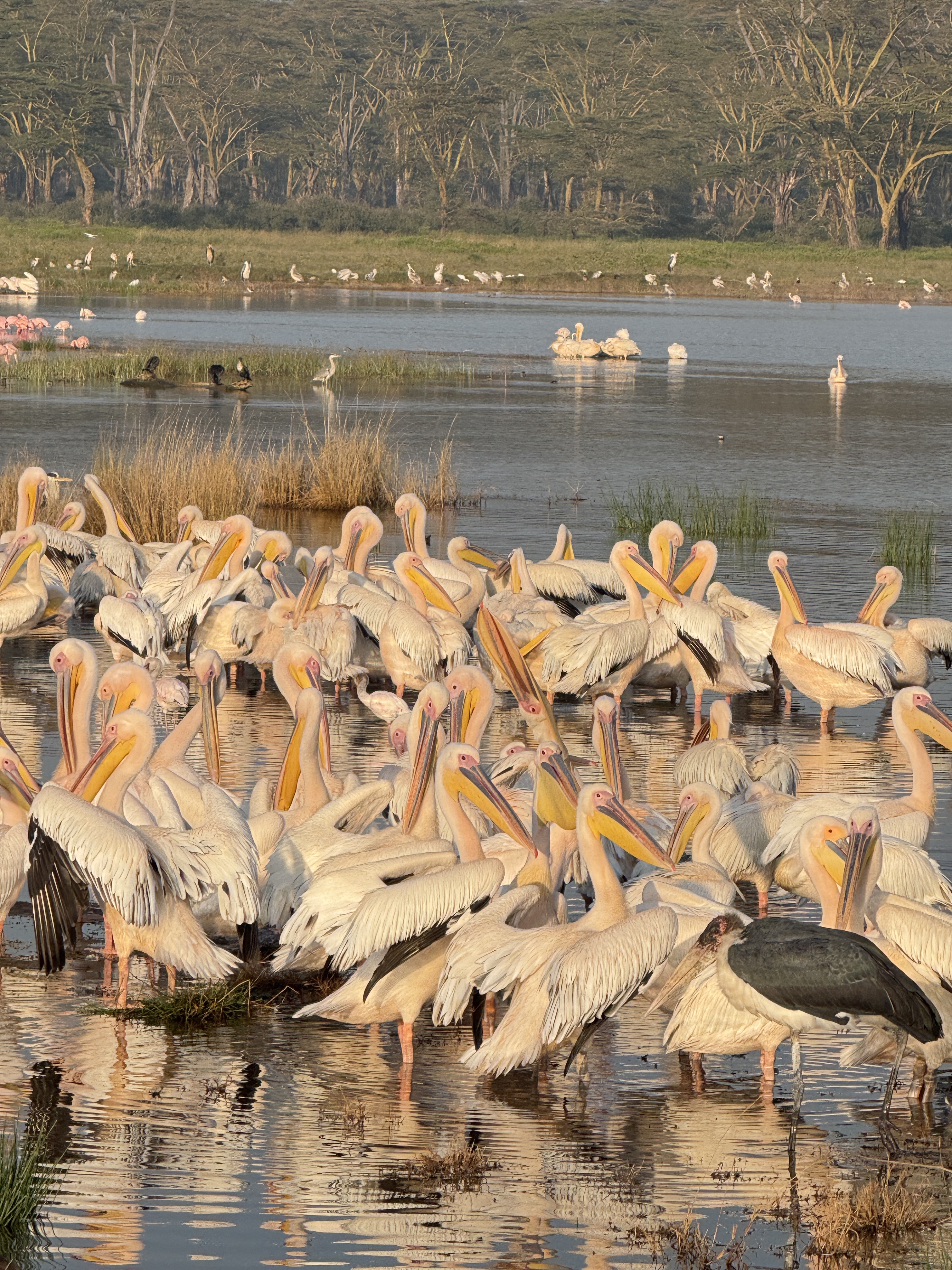
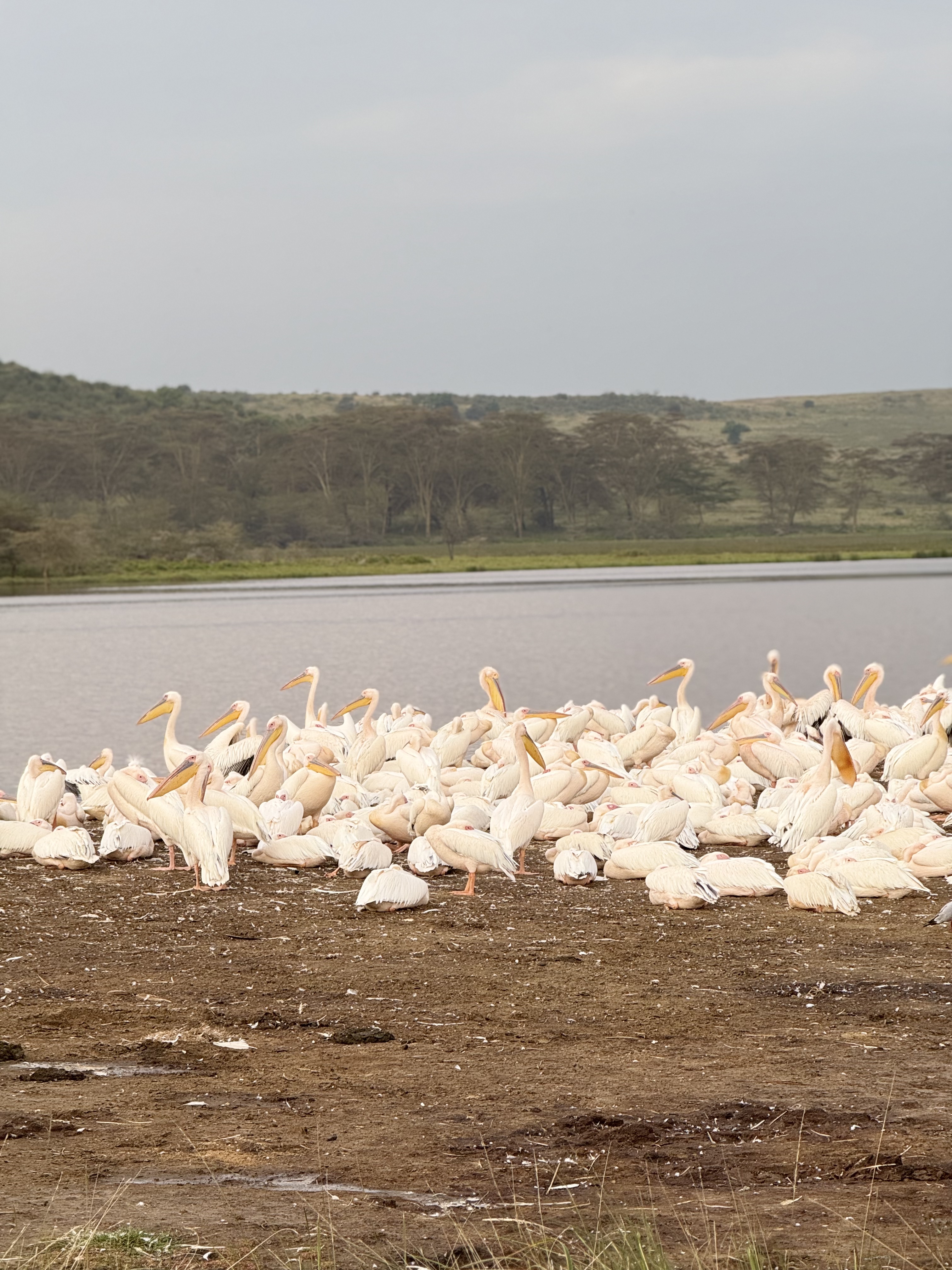
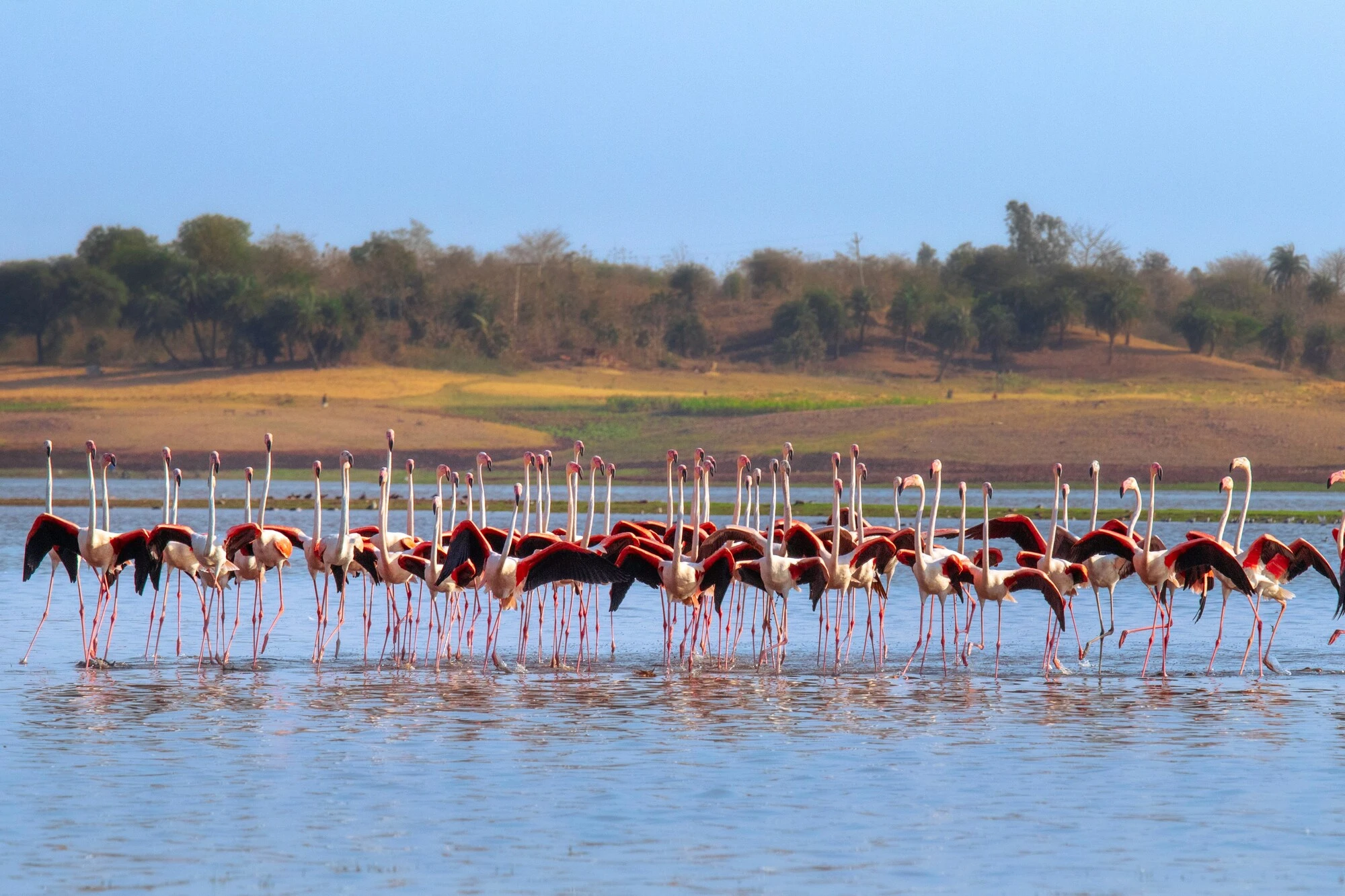
5. Birdlife: With a dynamic array of bird species, birdwatchers can see everything from common ostriches to the vibrant lilac-breasted roller and various raptors.
Scenic Features and Landscapes
The diverse landscapes of the Serengeti create a stunning backdrop for wildlife viewing and photography. Key features include:
1. Serengeti Plains: Characterized by vast grasslands, these plains are particularly rich in wildlife and provide excellent visibility for game watching.
2. Woodlands and Riverine Forests: These areas provide critical habitats and shelter for a variety of species including elephants and leopards
3. The Ngorongoro Crater: While technically not part of the Serengeti, this UNESCO World Heritage Site neighboring the park boasts a stunning caldera teeming with wildlife, offering visitors a chance to experience even more biodiversity.
4. Kopjes: Rock outcrops scattered throughout the park create unique ecosystems and serve as lookout points for predators, adding to the park’s dramatic scenery.
Serengeti Packages
Products
Activities and Experiences
Serengeti National Park offers a variety of activities and experiences to ensure memorable visits, including:
The most popular safari activity, where visitors explore the vast landscapes in search of wildlife, typically during morning or evening hours for optimal sightings
Offering breathtaking aerial views of the park and the Great Migration, followed by a celebratory breakfast in the wild
Guided walking tours provide an intimate experience with nature, allowing visitors to learn about the flora, fauna, and ecology of the Serengeti
Engagements with local Maasai communities give insight into their traditions, culture, and coexistence with the wildlife around them
Some lodges offer the opportunity to explore the park after dark, revealing the nocturnal side of the Serengeti
Conservation Efforts
Serengeti National Park plays a vital role in wildlife conservation, serving as a critical habitat for numerous species, many of which are endangered. Conservation initiatives focus on preserving this unique ecosystem and mitigating human-wildlife conflict. Collaborative efforts with local communities aim to promote sustainable tourism and empower them economically, ensuring that conservation efforts remain beneficial for both wildlife and the people who live alongside them.
Conclusion
Serengeti National Park is an iconic symbol of wildlife conservation and an awe-inspiring destination for adventurers and nature lovers. From the mind-boggling spectacle of the Great Migration to its diverse ecosystems and rich wildlife, the park offers unforgettable experiences that connect visitors with the raw beauty of nature. A journey to the Serengeti is more than just a safari; it’s an opportunity to witness the rhythms of the natural world and understand the importance of preserving these invaluable habitats for generations to come. Whether you’re a seasoned traveler or a first-time visitor, the Serengeti’s magic is sure to leave a lasting impression
Gallery